Headaches are one of the most common—and frustrating—health complaints. From a dull tension headache at the end of a workday to debilitating migraines with nausea and light sensitivity, chronic head pain can disrupt daily life. Many people turn to acupuncture as a natural, drug-free option. But does acupuncture work for headaches, and when is it most effective?
This guide explains how acupuncture for headaches works, which types respond best, and what to expect if you’re considering treatment—especially if you’re seeking Madison headache treatment or migraine relief.
How Acupuncture for Headaches Works
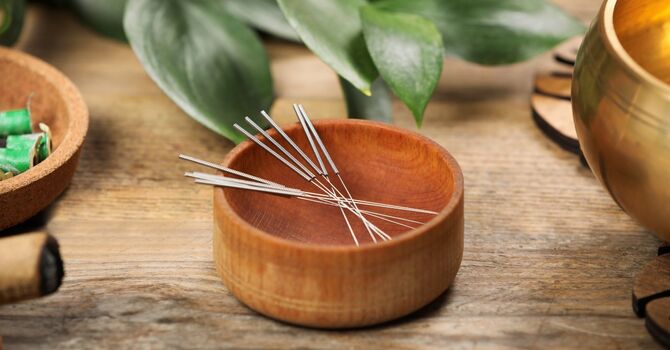
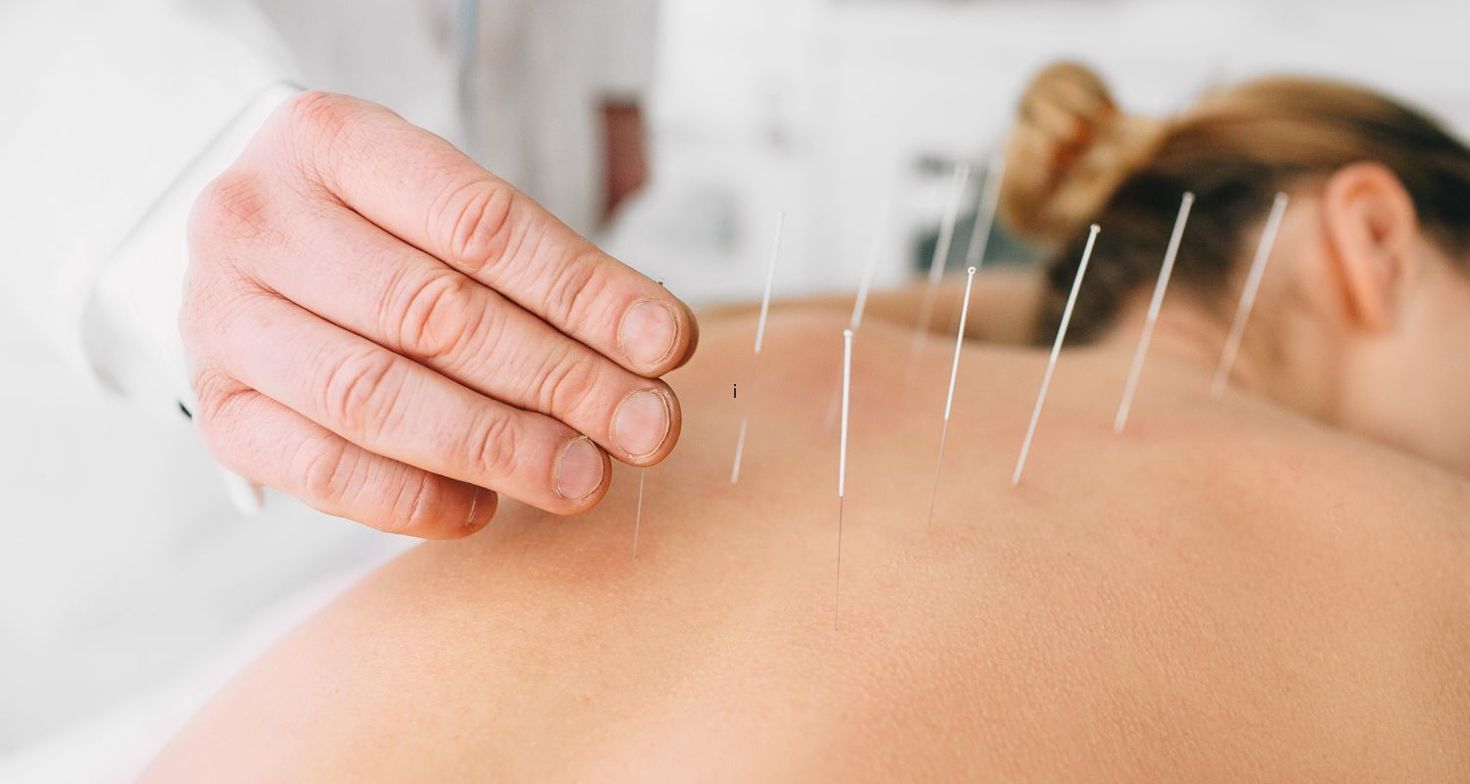
Acupuncture is a key part of Traditional Chinese Medicine (TCM). It involves inserting very fine needles into specific points on the body to restore balance and improve circulation of energy (Qi). From a modern medical perspective, acupuncture works by:
-
Stimulating the nervous system
-
Increasing blood flow
-
Releasing endorphins (natural pain relievers)
-
Reducing muscle tension and inflammation
For headache sufferers, this combination can significantly decrease pain intensity, frequency, and duration—without the side effects of long-term medication use.
Types of Headaches Acupuncture Helps Most
1. Acupuncture for Tension Headaches
A tension headache often feels like pressure or tightness around the head, temples, neck, or shoulders. These headaches are commonly caused by stress, posture issues, and muscle tension.
Acupuncture for tension headaches focuses on:
-
Relaxing tight neck and shoulder muscles
-
Improving circulation to the head
-
Calming the nervous system
Many patients notice relief after just a few sessions, especially when headaches are stress-related.
2. Acupuncture for Migraines
Migraines are more complex and may include:
-
Throbbing head pain
-
Nausea or vomiting
-
Sensitivity to light or sound
Research shows acupuncture for migraines can reduce both the frequency and severity of attacks. It’s often used as a preventive therapy rather than just acute pain relief.
Patients seeking migraine relief often choose acupuncture because it addresses triggers like stress, hormonal imbalance, and poor sleep—not just symptoms.
3. Acupuncture for Chronic Headaches
If you experience headaches 15 or more days per month, you may have chronic headaches. Acupuncture for chronic headaches is especially beneficial because it:
-
Addresses underlying imbalances
-
Reduces reliance on pain medications
-
Supports long-term nervous system regulation
Consistency is key—most chronic cases improve with a structured treatment plan over several weeks.
4. Headache Behind the Eyes
A headache behind the eyes is often linked to sinus congestion, eye strain, or migraines. Acupuncture can help by:
-
Improving sinus drainage
-
Reducing inflammation
-
Relieving facial and eye tension
Many patients report clearer sinuses and less pressure after treatment.
Key Acupuncture Points for Headaches and Migraines
Our practitioners select points based on headache type, location, and underlying cause. Commonly used acupuncture points for headaches include:
-
LI4 (Hegu): Between thumb and index finger; widely used for head pain
-
GB20 (Feng Chi): Base of the skull; effective for tension and migraines
-
Taiyang: Temple area; helpful for temporal headaches
-
ST8: Used for frontal headaches and migraines
For migraine-specific care, acupuncture points for migraines may also include points on the feet and legs that regulate the liver and nervous system.
Does Acupuncture Work for Headaches?
Multiple clinical studies suggest yes. Acupuncture has been shown to be as effective—or more effective—than conventional treatments for many headache conditions, particularly when used consistently.
Benefits include:
-
Fewer headache days per month
-
Reduced pain intensity
-
Less need for medication
-
Improved sleep and stress levels
For patients who prefer natural or integrative care, acupuncture is a well-supported option.
What to Expect During Treatment
At Inner Wisdom Acupuncture and Wellness typical acupuncture session lasts 45–60 minutes. After an initial assessment, needles are gently inserted and left in place while you rest. Most people find sessions relaxing and pain-free.
For best results:
-
Acute headaches: 1–2 sessions per week initially
-
Chronic headaches or migraines: 6–10 sessions over time
Your practitioner may also suggest lifestyle changes, posture correction, or stress-management techniques.
Madison Acupuncture for Headache and Migraine Treatment
If you’re searching for Madison acupuncture, choosing a practitioner experienced in Madison headache treatment and Madison migraine treatment is essential. Local, personalized care like what is offered at Inner Wisdom Acupuncture and Wellness ensures your treatment plan is tailored to your headache type, triggers, and health history.
Many Madison patients seek acupuncture to complement conventional care or to find relief when medications haven’t worked.
When Acupuncture Helps Most
Acupuncture is especially effective when:
-
Headaches are stress-related or muscular
-
Migraines are frequent or hormone-related
-
You want preventive care, not just symptom relief
-
Medications cause side effects or rebound headaches
The earlier acupuncture is integrated into your care plan, the better the long-term results tend to be.
Final Thoughts
Acupuncture for headaches offers a proven, natural approach to relieving tension headaches, migraines, and chronic head pain. By addressing both symptoms and root causes, it provides lasting relief—not just temporary fixes.
If you’re dealing with persistent headaches or looking for effective migraine relief, acupuncture may be a powerful next step toward better health and fewer pain days.